7 Best Rigging Shackles for Heavy Lifting in 2026?

Time:2026-09-13 Author:Sophia
0%

Choosing the right Rigging Shackles can determine whether a heavy lift feels controlled or dangerously unpredictable. A shackle may look simple, yet its body shape, pin design, working load limit, alloy quality, and inspection history all matter. In 2026, lifting teams face more compact workspaces, heavier modular loads, and stricter documentation expectations. The strongest option is not always the best option.

David Duerr, author of The Complete Rigger’s Apprentice, has emphasized a practical rule: “Rigging is a system, not a single piece of hardware.” That idea deserves attention. A bow shackle may suit multi-leg slings, while a dee shackle can provide better alignment for a straight pull. Screw-pin models support frequent setup changes. Bolt-type shackles offer stronger security when vibration or long-term connection is expected. Small details matter.

Look closely.

This guide reviews seven Rigging Shackles for heavy lifting in 2026, focusing on load ratings, material performance, pin security, traceability, and field usability. Each choice should match the actual lift plan, not a convenient guess. Inspectors should check for deformation, gouges, corrosion, unreadable markings, and damaged threads before use. Even a new shackle deserves verification.

The ranking is useful, but imperfect. Product availability changes, and real jobsite conditions can expose weaknesses that specifications never show. Weather, side loading, sharp edges, and poor sling angles can reduce confidence quickly. Always follow the manufacturer’s instructions and applicable lifting standards. A shackle is only as reliable as its weakest connection.
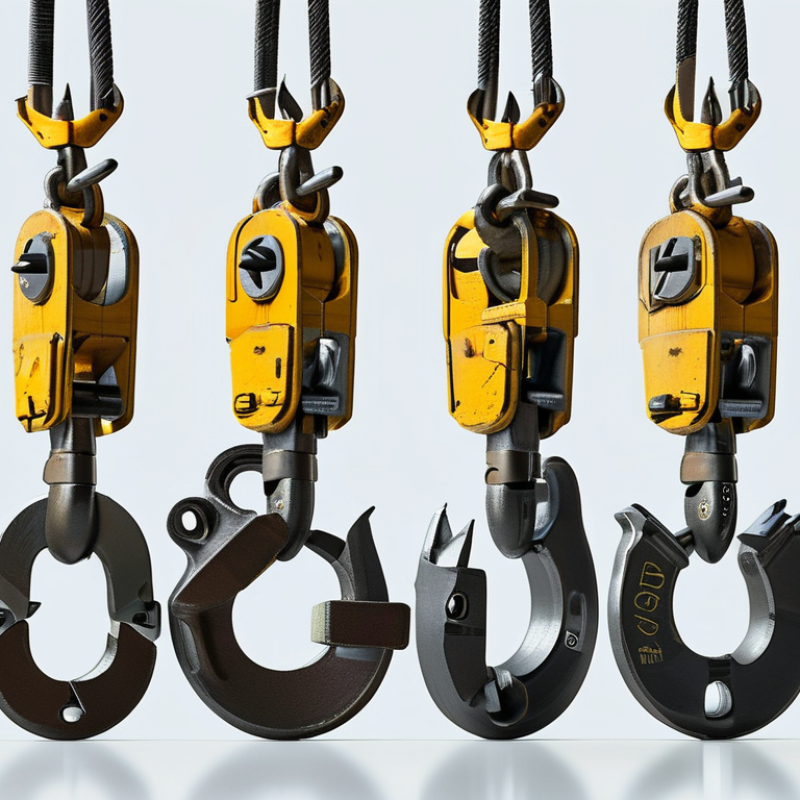
7 Best Rigging Shackles for Heavy Lifting in 2026?

Rigging Shackles Explained: Types, Materials, and Load Ratings

Choosing the seven best rigging shackles for heavy lifting in 2026 starts with application, not appearance. Screw-pin anchor shackles suit temporary lifts with straight loading. Screw-pin chain shackles handle tighter sling angles. Bolt-type anchor and chain shackles resist accidental opening during vibration. Safety shackles add a locking feature. Wide-body shackles protect synthetic slings from sharp bends. Stainless steel suits corrosion-sensitive work, but it is not automatically stronger.

Material matters. Forged alloy steel usually offers higher strength and better fatigue resistance than ordinary carbon steel. Always compare the working load limit, or WLL, with the actual sling angle and load balance. ASME B30.26-2020 requires rigging hardware to be marked and inspected under defined conditions. OSHA 1910.184 also requires users to follow marked rated capacities and remove damaged hardware from service. Small details matter. A bent pin matters.

Load ratings can mislead when used casually. EN 13889 specifies proof testing and performance requirements for general-purpose shackles, including a proof force commonly set at twice the WLL. The standard also references a minimum breaking-force relationship, but field conditions can reduce capacity. Side loading, shock loading, worn holes, and trapped pins are frequent failure risks. I have seen crews trust a clean-looking shackle too quickly. That judgment needs questioning. Record inspections, verify certificates, and select the shackle by load path, temperature, corrosion exposure, and connection geometry. A higher WLL is not a substitute for correct rigging.

How to Evaluate the Seven Best Shackles for Heavy Lifting in 2026

Choosing the seven best shackles for heavy lifting requires more than comparing working load limits. Field experience shows that the strongest-looking shackle may still fail when side-loaded, poorly pinned, or exposed to severe corrosion.

I would evaluate each candidate against ASME B30.26 requirements, including visible markings, rated capacity, pin security, and inspection access. The 2023 U.S. Bureau of Labor Statistics report recorded 5,283 fatal workplace injuries. Transportation and material-moving occupations accounted for 1,495 of them. These figures do not prove that shackles caused those incidents. They do show why lifting hardware deserves disciplined control.

A practical test begins with the marked working load limit, not the breaking strength. Compare bow, dee, screw-pin, and bolt-type designs for the actual sling angle and connection geometry.

A shackle rated for vertical lifting may lose capacity during side loading. That detail is often missed.

Check proof-test records, material certificates, and traceability numbers. Inspect threads, pin shoulders, body distortion, gouges, and corrosion under bright light. Tiny damage matters. For offshore or chemical environments, corrosion resistance and temperature limits deserve extra weight. For frequent crane work, a secured bolt-type pin may outperform a quick screw-pin design. But convenience can mislead.

The best ranking remains imperfect. Real lifting conditions vary daily. A 2024 safety review from a national occupational regulator also emphasized competent inspection and maintenance, rather than equipment selection alone. That point should influence every scorecard. Seven shackles, seven use cases.

Comparing Shackle Designs for Construction, Marine, and Industrial Work

7 Best Rigging Shackles for Heavy Lifting in 2026

Shackle selection changes with the working environment. Construction sites often favor anchor shackles, because their wide bows accept multi-leg slings. Screw-pin designs suit frequent assembly, while bolt-type shackles provide stronger security during vibration. Chain shackles fit narrow connections, but their smaller opening can complicate sling positioning. Every option needs a clear working load limit, compatible pin diameter, and controlled sling angle.

Marine lifting demands stronger corrosion resistance and better inspection discipline. Bow shackles usually handle changing sling directions more effectively than dee shackles. However, they are not immune to side loading. Salt deposits can hide cracks around the crown and pin. ISO 2415:2022 highlights design and testing requirements for general-purpose lifting shackles. Field records still show avoidable misuse. The hardware is rarely the only problem.

Industrial plants often choose bolt, nut, and cotter-pin shackles for semi-permanent connections. They resist accidental pin rotation better than screw-pin models. The seven practical choices include screw-pin anchor, screw-pin dee, bolt-type anchor, bolt-type dee, chain, wide-body, and synthetic-sling shackles. Selection should follow the actual load path, not catalogue appearance. The ILO’s 2024 global estimates reported nearly 3 million work-related deaths and about 395 million non-fatal injuries annually. Those figures make inspection more than paperwork. A pre-use check should examine distortion, thread damage, pin seating, corrosion, and illegible markings. I sometimes see teams choose a larger shackle for comfort. That can be wrong. Oversizing may create poor sling contact and unstable loading. A competent person should verify the lift plan, angles, temperature, and manufacturer-certified capacity before use.

7 Best Rigging Shackles for Heavy Lifting in 2026? - Comparing Shackle Designs for Construction, Marine, and Industrial Work

A practical comparison of commonly used shackle designs, load ratings, materials, pin systems, and application suitability.

Design Typical WLL Range* Main Material Pin Configuration Best-Suited Work Key Advantages Important Limitations Common Compliance References
Screw-Pin Anchor Shackle 0.33–55 t Forged alloy steel, commonly galvanized or painted Threaded screw pin with a removable head General construction lifts, crane rigging, lifting points, and direct-load connections Fast to install; wide bow accepts multiple sling legs and hardware; good for varied loading directions within the rated limits The pin can loosen under vibration or rotation; not normally preferred for unattended or highly dynamic lifting ASME B30.26, EN 13889, AS 2741
Screw-Pin Chain Shackle 0.33–55 t Forged alloy steel, typically galvanized or painted Threaded screw pin with a narrow, compact bow Chain slings, short connection points, material handling, and compact industrial assemblies Compact shape fits chain links well; simple attachment and removal; efficient for in-line loading Less room for multiple sling legs; side loading and concentrated contact can reduce capacity ASME B30.26, EN 13889, AS 2741
Bolt-Type Anchor Shackle 0.5–150 t High-strength forged alloy steel with corrosion-protective finish Bolt, nut, and retaining cotter pin Heavy construction lifts, offshore handling, permanent or semi-permanent connections, and high-load assemblies More secure against accidental pin rotation; suitable for vibration and long-duration installations Slower to install; requires tools and inspection of the nut and cotter pin; heavier than screw-pin designs ASME B30.26, EN 13889, AS 2741
Bolt-Type Chain Shackle 0.5–150 t Forged alloy steel, heat-treated for lifting service Bolted pin secured by nut and cotter pin Heavy chain slings, industrial maintenance, shipyard work, and fixed lifting arrangements Secure connection for repeated vibration; narrow profile aligns efficiently with chain and master links Requires controlled assembly and regular hardware inspection; limited clearance for wide sling arrangements ASME B30.26, EN 13889, AS 2741
Safety-Pin Shackle 0.5–35 t Forged alloy steel with galvanized, painted, or coated surface Captive or locking pin designed to resist unintended release Marine deck work, offshore handling, lifting near water, and applications with frequent vibration Reduces the risk of accidental opening; useful where the connection may rotate or experience vibration Locking mechanism must be kept clean and fully engaged; may be slower to operate than a basic screw pin ASME B30.26, EN 13889, applicable marine lifting rules
Wide-Body Shackle 1–85 t Forged high-strength alloy steel Screw pin or bolt-type pin, depending on configuration Synthetic web slings, wire-rope bridles, spreader beams, and lifting points requiring a larger internal width Reduces crowding and sharp bending at sling eyes; provides more internal clearance than standard shackles Can be heavier and bulkier; sling angle, pin contact, and side loading still require capacity checks ASME B30.26, EN 13889, AS 2741
Subsea or Offshore-Rated Shackle 2–300 t High-strength alloy steel with controlled toughness and enhanced corrosion protection Usually secured bolt-type or engineered locking-pin arrangement Offshore construction, subsea lifting, marine installation, and high-consequence industrial lifts Designed for demanding environments; may include verified traceability, proof testing, and environmental service specifications Higher cost and weight; requires project-specific certification, inspection, corrosion control, and qualified lifting procedures ASME B30.26, EN 13889, DNV or other project-specific offshore requirements

Technical notes

*WLL figures are representative ranges for commonly manufactured lifting shackles and are not interchangeable with a product-specific rating. Always use the marked WLL on the shackle and follow the applicable manufacturer instructions.

Capacity may be reduced by side loading, sling angle, bending over edges, shock loading, temperature, wear, corrosion, or incompatible connecting hardware. Shackles should be inspected by a competent person before use and removed from service when cracks, deformation, excessive wear, damaged threads, or illegible markings are found.

Safety Standards, Inspection Steps, and Correct Shackle Usage

Choosing among the 7 best rigging shackles for heavy lifting in 2026 requires more than comparing rated capacities. In practical lift planning, select a shackle with a Working Load Limit suitable for the load, sling angle, and connection method. ASME B30.26 requires marked identification and inspection controls for rigging hardware. The European standard EN 13889 also defines requirements for forged steel shackles used in lifting applications.

Inspect every shackle before use. Look for stretched bows, bent pins, cracks, deep corrosion, damaged threads, and illegible markings. Check that the pin fully engages and turns smoothly by hand. Small defects matter. Remove questionable hardware immediately, even when damage appears minor. The U.S. Bureau of Labor Statistics recorded 1,069 fatal work injuries in transportation and material-moving occupations during 2023, reinforcing the need for disciplined lifting practices.

Keep the load centered in the bow, never across the pin. Avoid side loading unless the shackle’s rated capacity specifically allows it. Use the correct pin type, and do not replace a matching pin with improvised hardware. Confirm the load path before tensioning the sling. A field inspection can miss hidden fatigue, especially after repeated shock loading; that is an uncomfortable limitation worth admitting. Document inspections, lifting dates, defects, and removals under a competent person’s control. Reference: BLS Census of Fatal Occupational Injuries, 2023; ASME B30.26; EN 13889.

Maintenance, Storage, and Replacement Guidelines for Rigging Shackles

Rigging shackles work reliably only when maintenance becomes a routine, not an emergency response. Before each lift, inspect the body, bow, pin, threads, and identification markings. Look for cracks, stretching, deep gouges, distortion, and rust that has reduced the metal surface. Check the pin by hand. It should seat fully without forcing.

Keep shackles clean and dry after use. Remove mud, salt, and abrasive dust with a suitable brush and clean water. Dry every contact area, especially around the pin threads. Apply a light, compatible lubricant when the manufacturer permits it. Avoid welding, heating, grinding, or drilling a shackle. These actions can change its strength.

I have seen teams clean the bow carefully but ignore the threads. That small oversight can matter.

Store shackles on a dry rack, away from chemicals, standing water, and direct impact. Do not leave them buried beneath chains or loose steel parts. Separate damaged items immediately and mark them clearly. Replace a shackle after bending, cracking, severe corrosion, thread damage, or unreadable load markings. Repeated overloads also justify removal, even when damage is not obvious. Do not repair structural defects in the field. Keep inspection records with the shackle’s identification and service history. Records are not perfect protection, but they reveal recurring problems. A competent person should make the final removal decision, using site procedures and the applicable lifting guidance.

FAQS

What should be checked first when evaluating a shackle for heavy lifting?

Start with the marked working load limit, not the breaking strength. Confirm capacity matches the load path, sling angle, and connection geometry. A bigger shackle is not automatically safer.

How does side loading affect shackle selection?

A shackle rated for vertical lifting may lose capacity when pulled from the side. Bow designs manage changing directions better, but they still need careful alignment. Angles can deceive.

Which shackle design suits frequent assembly?

Screw-pin designs support frequent connection and removal. Check threads and pin seating before every lift. Convenience sometimes hides risk.

When is a bolt-type shackle appropriate?

Bolt, nut, and cotter-pin shackles suit vibration or semi-permanent connections. They resist accidental pin rotation better than screw-pin models. Do not treat them as maintenance-free.

What inspections are essential before lifting?

Use bright light to inspect threads, pin shoulders, body distortion, gouges, and corrosion. Check that markings remain legible and the pin seats correctly. Tiny damage matters.

What changes in marine or chemical environments?

Give extra weight to corrosion resistance and temperature limits. Salt deposits can hide cracks near the crown and pin. Clean surfaces before judging them.

Which documents should accompany a lifting shackle?

Review proof-test records, material certificates, traceability numbers, and certified capacity. Missing records weaken confidence, even when the shackle looks clean. Paperwork is evidence, not proof of current condition.

How should shackles be matched to construction, marine, and industrial work?

Construction often benefits from wide bows and multi-leg sling clearance. Marine work demands corrosion control and frequent inspections. Industrial plants may prefer secured bolt-type connections. The load path matters more than catalogue appearance.

How should seven shackle choices be ranked?

Compare screw-pin anchor, screw-pin dee, bolt-type anchor, bolt-type dee, chain, wide-body, and synthetic-sling designs. Consider opening size, pin diameter, sling contact, corrosion, temperature, and inspection access. My ranking can still be wrong.

What should a competent person verify before the lift?

Verify the lift plan, sling angles, temperature, connection geometry, and certified working load limit. Inspect distortion, corrosion, thread damage, pin seating, and markings. Recheck everything.

Conclusion

This guide reviews seven of the best Rigging Shackles for heavy lifting in 2026, explaining how shackle types, materials, shapes, pin designs, and load ratings affect performance. It outlines how to compare options for construction, marine, and industrial applications, focusing on strength, corrosion resistance, handling convenience, compatibility with slings, and suitability for repeated or demanding lifts. The guide also explains how to select a shackle according to working load limits rather than appearance alone.

Safety is a central focus, covering proper identification, pre-use inspections, deformation checks, thread and pin condition, and the importance of following approved lifting procedures. Readers will also learn correct loading practices, including avoiding side loading and exceeding rated capacity. Finally, the article provides practical advice on cleaning, lubrication where appropriate, storage in dry conditions, regular documentation, and timely replacement when wear, cracking, corrosion, or other damage makes a shackle unsuitable for service.


Sophia

Sophia

Sophia is a dedicated marketing professional with an exceptional depth of knowledge about her company's products and services. With a keen understanding of market trends and customer needs, she crafts insightful blog posts that not only inform but also engage readers, enriching the company’s online......