When selecting the right rigging equipment, "China Rigging Shackles" often stand out. These essential tools are crucial in ensuring safety during lifting operations. However, many factors influence the choice of shackles, including type, material, and capacity.
Understanding the specific requirements of your project is vital. For instance, the environment and load weight will affect your decision. China Rigging Shackles come in various designs, making initial decisions overwhelming. Each type serves different purposes, which can lead to confusion.
Choosing the best shackle demands research and experience. It’s essential to know which standards apply to the shackles you select. Moreover, not all suppliers provide the same quality. Verification of manufacturer reliability helps ensure safety and legitimacy. Regular evaluation of your needs will also refine your decisions.
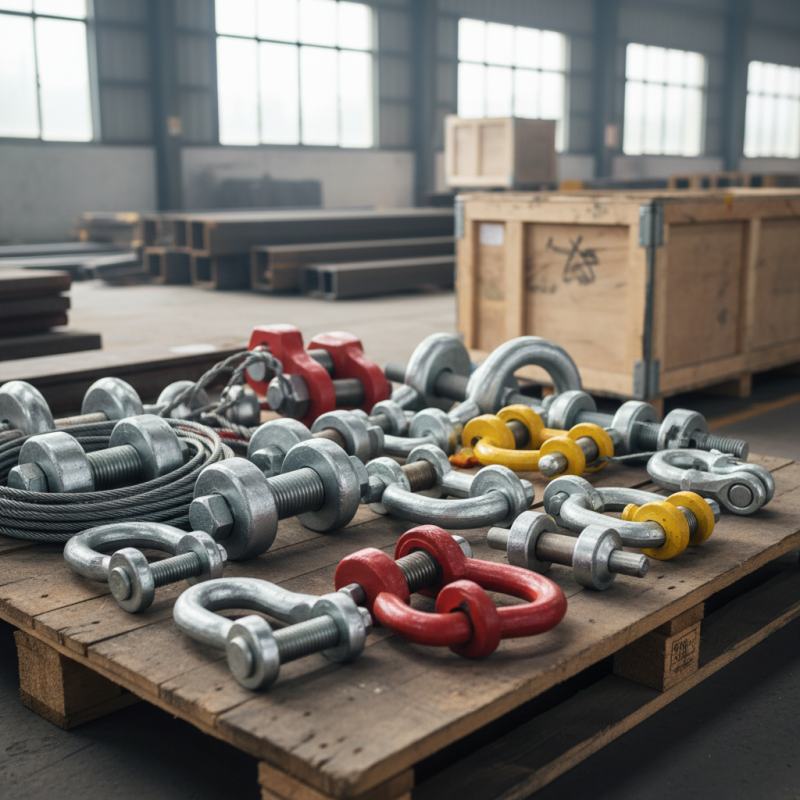
Choosing the right rigging shackles can seem daunting. In China, various types cater to diverse lifting needs. Understanding each type is crucial for safety and efficiency.
There are three main types of rigging shackles: bow, D, and screw pin. Bow shackles have a wider body, which allows for multiple connections. This versatility is beneficial for complex setups. On the other hand, D shackles offer a stronger connection with their compact design. They are often favored for heavy-duty applications. Screw pin shackles provide a reliable and easily adjustable connection. However, they can be less secure if not properly locked, which is a common oversight.
It is essential to consider the working load limit (WLL) of each shackle type. Using a shackle beyond its WLL can lead to failure. Many users underestimate this critical factor. When selecting a shackle, evaluate the materials and construction. Stainless steel options are corrosion-resistant but might not carry the same load as alloy steel. Trying different types in real scenarios helps in understanding their strengths and weaknesses. Keep these considerations in mind to ensure a safe and effective lifting operation.
Choosing the best rigging shackles requires careful consideration of several key factors.
The material is crucial; steel shackles generally offer greater strength.
According to industry reports, high-quality steel can provide up to 20% more load capacity than standard options.
This makes it essential to assess the working load limits before making a purchase.
Another factor is the shackle type.
Bolt-type shackles are ideal for heavy loads. They provide a secure connection.
In contrast, bow shackles allow for more flexibility in rigging setups. Selecting the right type ensures you maximize safety and functionality.
Tips:
Always inspect shackles for signs of wear or fatigue. Regular maintenance is essential for safety. Additionally, consider the environmental conditions.
For instance, stainless steel is better for corrosive environments.
Don't overlook these details; they can significantly impact your project's success.
When choosing rigging shackles, the material plays a crucial role. Steel shackles are the most common option. They offer great strength and durability. Stainless steel options resist rust and corrosion. According to a 2023 industry report, over 70% of rigging applications use steel shackles due to their robust performance in various environments.
Aluminum shackles present a different set of advantages. They're lightweight and easy to handle. However, their strength is inferior to that of steel. A survey indicates that only 15% of users prefer aluminum shackles for heavy loads. This raises a question: Is the weight saving worth the risk in critical applications? Users must evaluate their needs carefully.
Plastic shackles are an innovative alternative. They are non-conductive and resistant to chemicals. Still, their load capacity is limited. Reports suggest they are suitable for lighter tasks. Choosing the right material requires consideration of many factors. Understanding the pros and cons can help users make informed decisions. Remember that each choice comes with potential trade-offs.
| Material | Pros | Cons | Typical Applications |
|---|---|---|---|
| Carbon Steel | High strength, cost-effective | Prone to corrosion, limited temperature range | Construction, general lifting |
| Stainless Steel | Corrosion-resistant, aesthetic | Higher cost, lower strength compared to carbon steel | Marine, food processing |
| Alloy Steel | Enhanced strength, shock resistance | More expensive, may require more maintenance | Heavy lifting, industrial applications |
| Aluminum | Lightweight, good corrosion resistance | Lower strength, not suitable for heavy loads | Aerospace, rigging for lighter applications |
Choosing the right rigging shackles requires careful consideration of load capacity and safety ratings. Load capacity indicates the maximum weight a shackle can handle safely. When selecting a shackle, ensure its load capacity meets or exceeds your requirements. For example, if you need to lift 10 tons, opt for shackles rated higher than that. It’s wise to account for any additional weight from equipment or safety margins.
Safety ratings are equally important. Shackles must comply with industry standards to ensure reliability. Look for specifications that detail the shackle's grade and safety factors. Some shackles may have impressive load capacities but poor safety ratings. This combination can lead to failure during use. Regularly inspecting your shackles for wear and tear is crucial in maintaining safety.
Remember, not all shackles are equal. Some may look durable but lack quality. Investing in shackles with proven performance is vital. Listen to the experiences of those who have used various shackles. Their insights can help you avoid pitfalls. Ultimately, choose shackles that ensure your lifting operations are both effective and safe. Prioritize safety over convenience.
Maintaining and inspecting rigging shackles is crucial for safety and efficiency in any rigging operation. According to industry reports, improper maintenance can lead to 40% of rigging failures. Regular inspections help detect wear, corrosion, or deformation which can jeopardize the integrity of the shackles.
A key tip is to develop a routine inspection schedule. Look for signs of wear, such as cracks or bent pins. Any shackle that shows significant wear should be replaced. Training your team to recognize these issues is vital. It empowers them to act quickly and ensures safety throughout the operation.
Additionally, always clean shackles after use. Debris can cause unforeseen damage. A simple wipe-down can prevent corrosion. Make sure to use the appropriate cleaning materials. Avoid harsh chemicals that could degrade the metal.
As you evaluate the condition of shackles, remember that even small signs of damage can indicate deeper problems. There’s no room for complacency in rigging. Ensure you’re prioritizing inspections. It could save lives and prevent costly accidents.
: Steel shackles are the most common option. They provide strength and durability for various applications.
Aluminum is lightweight but has lower strength. Only 15% prefer aluminum for heavy applications.
Plastic shackles are non-conductive and resistant to chemicals. However, they have limited load capacity.
Regular inspections are crucial. Develop a routine schedule to spot wear or damage early.
Check for cracks, bent pins, and signs of corrosion. Any significant wear means replacement is necessary.
Improper maintenance can lead to 40% of rigging failures. Regular cleaning and checks help ensure safety.
Always use appropriate materials. Avoid harsh chemicals that could harm the metal’s integrity.
Users must evaluate their needs. Weight saving may not justify the risks in critical applications.
Small damage can indicate deeper issues. Complacency can lead to safety hazards and expensive accidents.
Training empowers teams to recognize wear signs. Quick action can enhance safety throughout rigging operations.
When selecting China Rigging Shackles for your projects, it's essential to understand the various types available, each designed for specific applications and loads. Key considerations include the load capacity, safety ratings, and the materials used in manufacturing the shackles. Common materials range from aluminum to steel, each with distinct advantages and disadvantages that can affect performance and safety.
Moreover, ensuring that your China Rigging Shackles meet safety standards is critical for preventing accidents and injuries. Regular maintenance and inspections are vital practices that help extend the life of the shackles and ensure their reliability in the field. By being informed about these aspects, you can make an educated choice that aligns with your needs while prioritizing safety and effectiveness in your projects.

Rui De Tai