2026 Top Rigging Shackle Sizes for Global Buyers?

Time:2026-05-16 Author:Aria
0%

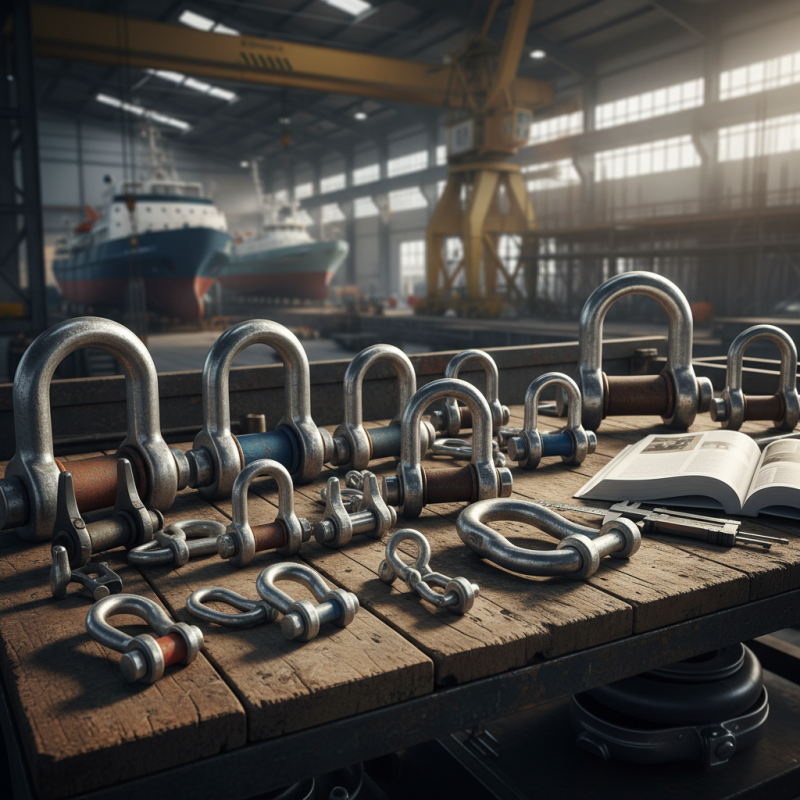
In the world of rigging, understanding the various Rigging Shackle Sizes is essential for safety and efficiency. Buyers globally face a vast selection of shackles. Each size serves a unique purpose in different applications, from marine tasks to construction.

Choosing the correct shackle size can significantly impact performance. Wrong choices lead to inefficiencies or, worse, accidents. Many buyers underestimate this aspect. They often forget that not all shackles are created equal. Quality matters as much as size.

As we explore the top rigging shackle sizes for 2026, we emphasize real-world applications. Detailed insights from industry experts will guide you. Our goal is to empower buyers with knowledge and help them make informed decisions. This article is both a resource and a call to reflect on current practices.
2026 Top Rigging Shackle Sizes for Global Buyers?

Types of Rigging Shackles Commonly Used in 2026

In 2026, rigging shackles continue to play a crucial role in lifting and securing loads. These shackles come in various types, each designed for specific applications. The most common types include D-shackles and bow shackles. D-shackles are ideal for straight-line pulls and offer a strong design. Bow shackles, on the other hand, allow for loading from multiple angles and offer versatility.

Another important type is the screw pin shackle. This design allows for easy connection and disconnection. It's commonly used in situations where quick assembly is needed. However, users must regularly inspect the pin for wear and tear, as failure can occur if neglected. Safety is paramount in rigging, so understanding the limitations of each shackle type is essential.

Many buyers overlook the importance of the shackle size and rating. Using shackles that do not match the load can lead to inefficient lifting and potential accidents. It is crucial to consult load charts and experts for accurate sizing. For those new to rigging, the myriad options might seem overwhelming, but the right choice enhances both safety and performance in lifting operations.

Importance of Size Selection in Rigging Shackles for Global Buyers

Selecting the appropriate size for rigging shackles is crucial for safety and efficiency. Incorrect sizes can lead to equipment failure and accidents. A thorough understanding of load requirements is essential for buyers, especially for those sourcing globally. Shackles come in various sizes, and knowing how to choose the right one is vital.

Tips: Always consult the manufacturer's specifications. Ensure you understand the load limits and usage scenarios. Regular maintenance checks can prevent potential issues.

Correct sizing affects not only the load capacity but also longevity. Oversized shackles may add unnecessary weight, reducing maneuverability. Conversely, undersized shackles can fail under pressure, leading to disastrous outcomes. Evaluating the environment where rigs will be used is equally important. Harsh conditions can dictate the need for specific materials or additional safety measures.

Tips: Consider the type of load and rigging method. Ensure that shackles are rated for dynamic loads, not just static ones. Training your team on proper usage can greatly enhance safety.

Key Factors Influencing Shackle Size Choices for Different Applications

Selecting the right shackle size is crucial for safety and efficiency. Different applications require various shackles, influencing size choices. For example, heavy lifting tasks often need larger shackles to withstand the stress. The load capacity must match the shackle size. Undersized shackles can lead to failures.

Weight and material are key factors as well. Some applications demand lightweight shackles for better handling. Others may require heavier, more robust shackles due to extreme conditions. Environmental factors also play a role. Corrosive environments may call for specific materials to ensure longevity.

Understanding the specifics of each application is vital. Reflect on past experiences to avoid mistakes. Evaluate current needs carefully. The choice of shackle size directly impacts safety and functionality. Make informed decisions, but be ready to reassess as conditions change.

Comparative Analysis of Leading Shackle Sizes in the Global Market

When examining the global market for rigging shackles, size plays a crucial role. Different applications require specific sizes for safety and efficiency. Common sizes include 1/2”, 3/4”, and 1”. These dimensions accommodate a range of lifting capacities, providing versatility in various environments. However, the demand for non-standard sizes is rising, highlighting a gap in the market.

A comparative analysis of these sizes reveals significant differences in use cases and material strength. For instance, the 3/4” shackle is often favored in marine settings, while 1” shackles are prevalent in industrial applications. Yet, this analysis also uncovers unmet needs. Some regions lack access to specific sizes, which can hinder operations.

The challenge remains in sourcing reliable shackles that meet safety standards. Quality may vary, and buyers must exercise caution. Additionally, there's a noticeable inconsistency in manufacturing processes. This calls for thorough testing and certification from reputable sources. Investing time in research can ensure safety and efficiency across the board.

2026 Top Rigging Shackle Sizes for Global Buyers

Future Trends in Rigging Shackle Sizes and Their Global Impact

The future of rigging shackle sizes is a critical concern for global industries. As the demand for efficient lifting and rigging solutions grows, so does the need for standardization. Experts suggest that future rigging shackles will prioritize versatility and weight reduction. A diverse range of sizes will cater to different load capacities, ensuring safety and functionality in various applications.

Understanding the impact of these trends is essential. Global buyers must adapt to changes in rigging shackle sizes. Industries that rely on heavy lifting must remain vigilant about safety standards and compliance. Companies will have to invest in training to keep their workforce updated on the best practices for using different shackle sizes. It’s not just about having the right equipment; it’s about having knowledgeable professionals.

Tips: When choosing shackles, consider the load requirements. Oversized shackles can lead to inefficiencies. Regular inspections are crucial. Look for wear and tear to prevent accidents. Always consult industry regulations to ensure compliance. This proactive approach safeguards not only the equipment but also the workers relying on it.

FAQS

: What sizes of shackles are commonly used in the market?

: Common sizes include 1/2”, 3/4”, and 1”. These sizes cater to various lifting capacities.

Why is size important for shackles?

Different applications require specific sizes for optimal safety and efficiency in lifting tasks.

Is there a demand for non-standard shackle sizes?

Yes, the demand for non-standard sizes is rising, indicating a gap in the market.

What should buyers be cautious about when sourcing shackles?

Quality can vary significantly. Buyers must ensure that shackles meet safety standards.

What future trends are expected in rigging shackles?

Future shackles will likely prioritize versatility and weight reduction for various applications.

How can industries ensure compliance with safety standards?

Regular training and inspections are key to keeping the workforce aware of best practices.

What can happen with oversized shackles?

Oversized shackles can lead to inefficiencies, impacting overall safety and performance.

Why are regular inspections recommended?

Inspections help identify wear and tear, preventing potential accidents during lifting operations.

What is crucial for workers using different shackle sizes?

Knowledge about proper use and safety practices is essential for maintaining operational effectiveness.

How can companies safeguard their equipment and workers?

A proactive approach, including compliance checks and continuous education, is vital.

Conclusion

The article "2026 Top Rigging Shackle Sizes for Global Buyers" delves into the various types of rigging shackles that are commonly used, emphasizing the importance of selecting the appropriate rigging shackle sizes for specific applications. Size selection plays a critical role in ensuring safety and efficiency in rigging operations, which is paramount for global buyers who rely on these components for their projects.

Furthermore, the article provides a comparative analysis of leading shackle sizes available in the global market, highlighting key factors that influence the choice of shackle sizes for different applications. It also explores future trends in rigging shackle sizes, discussing how these trends may impact the global market and meet the evolving needs of users around the world. Understanding these elements is essential for ensuring optimal performance and safety in rigging applications.


Aria

Aria

Aria is a dedicated marketing professional with a deep passion for innovative strategies and a keen understanding of our company's product offerings. With a wealth of experience in the industry, Aria excels at crafting engaging content that highlights the unique features and benefits of our......